
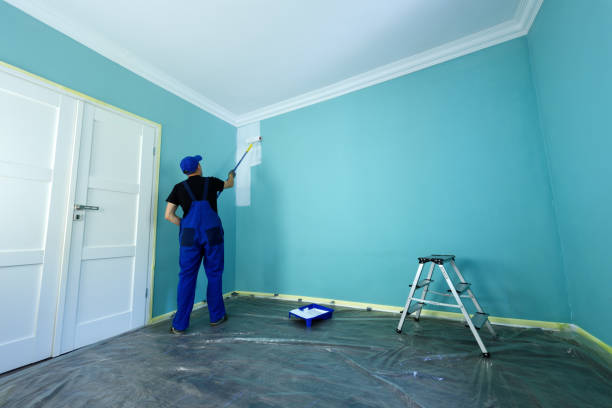
Repainting your home is a key aspect of maintenance and aesthetics. Over time, walls and exteriors endure wear and tear from environmental factors, everyday use, and shifts in decor trends. Knowing how often to repaint can help maintain the beauty and functionality of your home while safeguarding it from potential damage. Below is a detailed guide to help homeowners understand when and why repainting is necessary.
Factors That Influence Repainting Frequency
- Environmental Conditions: Homes in humid or rainy climates may require more frequent repaints due to moisture damage, mold, or mildew.
- Type of Paint Used: High-quality paints with advanced formulations last longer than cheaper paints with fewer protective properties.
- Surface Material: The durability of paint depends on the material it’s applied to—wood surfaces may need more attention compared to stucco or brick.
- Wear and Tear: Areas with high traffic such as hallways, kitchens, and children’s rooms are prone to scuff marks and stains.
- Exposure to Sunlight: UV rays can cause paint on exterior walls or sun-exposed interiors to fade faster.
General Guidelines for Repainting Different Areas
| Area/Surface | Suggested Repainting Frequency | Notes |
| Interior Walls | Every 5-7 years | Use durable paints in high-traffic areas like hallways. |
| Kitchens & Bathrooms | Every 3-4 years | Higher exposure to heat, moisture, grease, and stains necessitates frequent repaints. |
| Bedrooms | Every 5-8 years | Longer intervals are possible for adult bedrooms with less wear. |
| Living/Dining Rooms | Every 5 years | Keep these spaces refreshed for entertaining guests. |
| Exterior (Wood Surfaces) | Every 3-7 years | Wood is susceptible to weather-related damage; high-quality primers can extend longevity. |
| Exterior (Stucco) | Every 8-10 years | Stucco is more durable but should still be inspected regularly for cracks. |
| Ceilings | Every 10+ years | Ceilings generally experience less wear but may need attention if discolored or stained over time. |
Pro Tips for Extending Paint Lifespan
Here are some strategies you can adopt to minimize the frequency of repainting:
1. Choose Quality Paints: Invest in premium paint brands that offer enhanced durability, stain resistance, and UV protection. 2. Regular Cleaning: Dusting walls and wiping down visible marks can preserve the appearance of your interior paint longer. 3. Use Primers Properly: Primers improve paint adherence and protect surfaces from moisture penetration. 4. Inspect Regularly: Look for early signs of damage such as peeling, cracking, or fading so you can address these issues promptly. 5. Hire Professionals When Needed: Experienced painters ensure proper surface preparation and application techniques.
By following these guidelines and proactively maintaining painted surfaces around your home, you can reduce overall costs while keeping your spaces vibrant year-round.
Signs That Indicate It’s Time to Hire a Painter in Orlando, FL
Repainting your home is not merely an aesthetic decision—it’s also about maintaining the integrity of your walls and ensuring they stay in optimal condition. Knowing when to repaint can save you from larger issues down the line. Below are key signs indicating it might be time to refresh your space with a new coat of paint.
1. Fading or Discolored Paint
Over time, paint naturally fades due to factors like sunlight exposure, humidity, and the quality of the initial paint job. Here are some common scenarios:
– Sun-exposed rooms: Spaces that receive direct sunlight often experience more prominent fading, especially if darker or vibrant colors were used.
– Water damage: Discoloration caused by leaks or high moisture levels may appear as unsightly stains on ceilings and walls.
If your walls no longer look vibrant or uniform in color, it’s likely time for a repaint.
2. Cracking, Peeling, or Bubbling Paint
Damaged paint doesn’t just detract from a room’s appearance—it may also indicate underlying issues like poor adhesion, excess moisture, or substandard wall preparation during the original application process. Look for:
– Peeling edges: Commonly found around windowsills and bathrooms due to temperature fluctuations and humidity buildup.
– Bubbling sections: Often caused by trapped moisture, signaling potential water intrusion that needs addressing before repainting.
3. Visible Wear and Tear
Walls endure daily wear from furniture bumps, scratches, scuff marks, and stains over time. This is especially true in high-traffic areas such as hallways, kitchens, and children’s bedrooms. Consider repainting when:
– Stains resist cleaning efforts despite using proper cleaning tools and solutions. – Walls show significant scuff marks—these are particularly noticeable on lighter-colored surfaces.
4. Outdated Colors or Styles
Interior design trends evolve over time; what was once modern may now feel dated or mismatched with your current decor preferences. Repainting offers an opportunity to update your color palette for a more contemporary look that aligns with your style.
5. Evidence of Mold or Mildew Growth
In damp environments such as bathrooms or basements with poor ventilation, mold growth can appear as dark spots on painted surfaces. These areas require immediate attention: – Ensure proper removal of mold before applying fresh paint. – Use mold-resistant paints in problem-prone spaces to prevent recurrence.
| Condition | Time for Repainting? |
| Cracking/peeling paint | Immediate |
| Faded/discolored walls | Within 1–2 years |
| Stains & scuffs (uncleanable) | As needed |
| Mold/mildew presence | After remediation |
6. Preparing for Resale Value Boost
If you’re planning to sell your property soon, updating the paint can enhance its appeal significantly: – Neutral tones like beige or light gray create a clean canvas for potential buyers. – A fresh coat of paint makes spaces feel well-maintained and inviting.
By recognizing these signs early on, you can ensure timely repaints that protect your investment while rejuvenating the visual charm of your home.
Tips from Orlando Painters on Ideal Repainting Timelines for Different Rooms
Repainting your home is an essential part of maintaining its appearance and functionality. However, it can be challenging to determine how often different rooms should be repainted. Each space in your home has unique factors, such as usage and exposure to light and moisture, that influence how frequently it needs fresh paint. Below is a detailed guide to help you understand ideal repainting timelines for various rooms.
Living Rooms and Bedrooms
Living rooms and bedrooms tend to experience less wear and tear compared to other spaces in the home. As a result, these areas typically require repainting every 5-7 years. Factors influencing this timeline include:
- Usage: These rooms are less prone to stains or high activity levels.
- Natural Light Exposure: Rooms with significant sunlight may experience fading over time, requiring earlier repainting.
- Wall Condition: If the walls remain clean and free of damage, the paint can last longer.
To extend the longevity of paint in these spaces: – Use durable, washable paints with high-quality finishes. – Opt for neutral or pastel shades that are less likely to show fading.
Kitchens
Kitchens endure high foot traffic, exposure to heat, grease, humidity, and occasional stains. These conditions make kitchens one of the most frequently repainted areas in a house. Ideally, repaint your kitchen every 3-5 years.
Key considerations for kitchen painting: – Choose moisture-resistant or semi-gloss paints that can withstand cleaning without loss of color or texture. – Prioritize washable finishes that allow easy removal of grease stains or food splatters.
Bathrooms
- Repaint bathrooms every 3-4 years.
- Use mold-resistant primers and paints designed specifically for damp environments.
Adding proper ventilation can reduce moisture build-up and extend the lifespan of bathroom paint.
Children’s Rooms
- Repaint children’s bedrooms every 2–4 years, depending on their usage.
Tips for durability: – Opt for scrubbable paints. – Consider bold colors or patterns as they can mask minor imperfections effectively.
Hallways & Corridors
Hallways undergo heavy foot traffic as they connect various parts of the house. Scuff marks from shoes, bags brushing against walls, and fingerprints often lead to faster deterioration of paint in these areas.
Recommended timeline:
Repaint hallways approximately every 2–3 years, depending on how much they’re used.
Considerations: – Use highly durable paint finishes like satin or eggshell for added resilience. – Pay attention to corners where scuffing is more likely.
| Room Type | Recommended Repainting Frequency |
| Living Room/Bedroom | Every 5–7 years |
| Kitchen | Every 3–5 years |
| Bathroom | Every 3–4 years |
| Children’s Bedroom | Every 2–4 years |
| Hallways | Every 2–3 years |
Special Cases: Ceiling Paint
- Ceilings only require repainting every 10+ years, unless there are visible stains from leaks or cracks caused by structural issues.
However: If you notice discoloration from smoke residue (e.g., near kitchens) or accumulated dirt over time—especially in white-painted ceilings—consider earlier touch-ups.
Adhering to these guidelines ensures each room remains visually appealing while safeguarding your home’s overall integrity through proactive maintenance efforts. Careful selection of appropriate paints based on room-specific needs will further enhance outcomes while minimizing frequent updates over time.

The Best Time to Repaint Your Living and Dining Rooms for a Fresh Look
Repainting your living and dining rooms can significantly rejuvenate your home’s appearance, creating an inviting atmosphere for family gatherings, celebrations, or moments of relaxation. However, knowing the right time to repaint these spaces ensures you maintain their aesthetic appeal without unnecessary overhauls. Below, we provide insights into the best timing for repainting your living and dining areas.
Factors Affecting Repainting Frequency
- Paint Quality: High-quality paints tend to last longer, often five to seven years in low-traffic areas. Choosing durable finishes ensures longevity and reduces frequent repainting needs.
- Room Usage: Living and dining rooms typically experience moderate traffic. If these spaces are heavily used or exposed to children or pets, they may require more frequent touch-ups.
- Exposure to Light: Prolonged exposure to sunlight can cause paint fading over time. South-facing walls or those near large windows may need closer attention.
- Color Trends: If keeping up with current design trends is important to you, you might choose to refresh these spaces more often than necessary based on wear alone.
Recommended Repainting Timeline
For most homes, it is advisable to repaint living and dining rooms every 5–7 years. This range considers both practical durability and aesthetic preferences. However, adjustments should be made based on individual circumstances such as wear-and-tear or shifting design priorities.
| Factor | Recommended Timeline | Notes |
| Standard Paint Durability | 5–7 years | Opt for washable finishes like eggshell or satin in high-use areas |
| Visible Wear | 3–5 years | Higher frequency if scuffs, scratches, or stains are prominent |
| Major Renovations/Redecorating | As needed | Update colors during significant home upgrades |
Seasonal Considerations
- Spring and Fall: These seasons offer optimal conditions with moderate temperatures and lower humidity levels—ideal for quick drying times.
- Avoid Extreme Temperatures: Both excessively hot summers and cold winters can impact paint application quality indoors.
Tips for Making the Most of Your Paint Job
- Choose Durable Finishes: Semi-gloss or satin finishes are easier to clean in spaces like living rooms where accidental scuffs are common.
- Prepare the Surface Properly: Cleaning walls thoroughly before painting removes dust and grime that could affect adhesion.
- Invest in Quality Tools & Paints:
- Use high-quality brushes or rollers for even application.
- Premium paints minimize fading caused by UV rays while offering better coverage.
- Incorporate Neutral Tones Strategically:
- Neutral shades like grays or beiges maintain timeless appeal yet complement changing furniture styles.
Signs It’s Time To Repaint
- Peeling paint
- Noticeable discoloration from sun exposure
- Fading colors that dull the room’s ambiance
- Persistent stains that resist cleaning efforts
- Cracked walls due to settling structures
By staying proactive about maintenance timelines while recognizing signs of aging paintwork or evolving tastes, you can breathe new life into your living and dining areas effectively without compromising on style or practicality.
Why Interior Painting Orlando Experts Recommend Repainting Kitchens and Bathrooms Frequently
Kitchens and bathrooms are some of the most frequently used spaces in any home. The unique environmental conditions in these rooms necessitate more frequent repainting compared to other areas. Factors such as moisture, humidity, heat, and grease contribute significantly to the wear and tear of paint in these spaces. Below is a detailed explanation of why kitchens and bathrooms demand regular repainting and practical tips for maintaining their appearance.
Factors That Accelerate Paint Deterioration in Kitchens
- Kitchens are exposed to heat from stoves, ovens, and other appliances. This constant exposure can cause paint to fade or blister over time.
- Cooking produces grease splatters that can stick to walls and ceilings, leading to discoloration or grime buildup on painted surfaces. Even washable paints can lose their sheen after repeated cleanings.
- Steam from boiling pots or dishwashers increases humidity levels in the room, which can trigger peeling or bubbling of paint if the surfaces haven’t been prepped with moisture-resistant coatings.
- Due to grease, spills, and stains, kitchen walls require frequent scrubbing or wiping down. Over time, this process can erode paint layers faster than usual.
Challenges Bathrooms Present for Paint Longevity
- Between showers, baths, and sink usage, bathrooms experience persistent moisture exposure that leads to mold growth or flaking paint if not mitigated with mildew-resistant formulations.
- Bathrooms frequently cycle between warm steam-filled environments during showers and cooler conditions afterward. These fluctuations create stress on painted surfaces.
- Poor ventilation can contribute to long-term dampness and condensation on bathroom walls and ceilings—both of which speed up paint degradation.
Recommended Repainting Timelines
| Space | Recommended Repaint Interval | Key Considerations |
| Kitchen | Every 3-5 years | Use high-quality semi-gloss or satin finishes resistant to grease and stains. |
| Bathroom | Every 3-4 years | Opt for mildew-resistant paints; improve ventilation where possible. |
Tips for Prolonging Paint Durability in Kitchens & Bathrooms
- Choose the Right Paint Finish: For both kitchens and bathrooms, use semi-gloss or satin finishes as they are more resistant to moisture compared to matte finishes.
- Invest in High-Quality Paints: Opt for premium paints with features like easy-clean technology or mold resistance.
- Improve Ventilation: Install exhaust fans in bathrooms or open windows during cooking/showering sessions to reduce humidity levels.
- Regular Maintenance: Clean visible dirt or stains promptly using mild cleaners that won’t strip away the layers of paint.
- Prime Surfaces Properly: Applying a high-quality primer ensures better adhesion of paint while providing additional protection against moisture damage.
By maintaining these strategies alongside timely repainting schedules, you can keep your kitchen and bathroom looking fresh while ensuring they remain protected against common environmental challenges associated with these spaces.
How a Painting Company Orlando Explains Exterior Paint Lifespan on Wood, Stucco, and Brick
Exterior paint is not just about aesthetics; it also plays a crucial role in protecting your home from the elements. However, its longevity depends on several factors, including surface material, environmental conditions, and the quality of paint used. Understanding how long exterior paint lasts on different surfaces like wood, stucco, and brick can help you plan for maintenance while preserving your home’s structural integrity.
Factors Affecting Exterior Paint Longevity
- Weather Conditions: Harsh climates with excessive sun exposure or frequent rainfall can accelerate paint deterioration.
- Paint Quality: Premium exterior paints with advanced formulas generally last longer than budget alternatives.
- Preparation and Application: Proper surface preparation and professional application techniques significantly impact durability.
- Exposure Levels: Surfaces exposed to direct sunlight or moisture tend to wear out faster.
Lifespan of Exterior Paint by Surface Type
| Surface Type | Expected Lifespan | Notes |
| Wood | 3–7 years | Wood is prone to moisture absorption and expansion, which can cause paint to peel or crack faster. Regular maintenance is key. |
| Stucco | 5–10 years | Stucco surfaces are more porous but hold up well with high-quality acrylic paints. The durability may vary based on regional humidity levels. |
| Brick | 10–15 years | Brick surfaces are durable but require breathable masonry paints. Paint tends to last longer if bricks are sealed properly beforehand. |
Best Practices for Extending Paint Longevity
1. Invest in Quality Products
Choose premium-grade paints designed specifically for exterior use. Look for options with UV resistance and weatherproofing capabilities.
2. Prioritize Surface Preparation
Ensure thorough cleaning and priming of surfaces before painting. For older wood or brickwork, repairing cracks or imperfections is essential.
3. Apply Proper Coats
Using multiple thin coats rather than one thick layer ensures better adhesion and coverage.
4. Schedule Regular Maintenance
Inspect your home’s exterior annually for signs of wear such as peeling or discoloration. Address minor issues promptly before they escalate into larger problems.
Warning Signs It’s Time to Repaint
- Fading colors due to prolonged sun exposure.
- Cracking or peeling in high-moisture areas.
- Mold or mildew development on stucco or wood.
- Chalky residue forming when you rub your hand against painted surfaces (common with aged brick).
By understanding these timelines alongside proper care techniques, you’ll ensure a beautiful and well-protected home exterior for years ahead without unnecessary repainting expenses.

Essential Factors to Consider When Deciding When to Repaint Ceilings and Walls
Repainting ceilings and walls can significantly enhance the overall look and feel of your living space. However, determining the right time to repaint is not always straightforward. Various factors, such as wear and tear, environmental conditions, and paint quality, play a role in deciding when a fresh coat of paint is needed. Below are some key factors to consider when planning your repainting schedule.
1. Condition of the Paint
- Cracks or Peeling Paint: These often indicate that the underlying surface has inadequate adhesion or moisture issues.
- Fading Colors: Sunlight exposure or poor-quality paint may cause colors to fade over time.
- Stains or Discoloration: Water damage, smoke stains, or mold can leave unsightly marks on walls and ceilings.
2. Frequency of Room Use
| Room Type | Recommended Repainting Timeline |
| Living Rooms | Every 5–7 years |
| Kitchens | Every 3–5 years |
| Bathrooms | Every 3–4 years |
| Bedrooms (Adults) | Every 5–8 years |
| Kids’ Bedrooms | Every 3–5 years |
3. Paint Type & Finish
- Flat Finishes: Often used for ceilings but more prone to staining; typically requires repainting every few years depending on exposure.
- Glossy Finishes: Durable and easy to clean but can highlight imperfections; suitable for high-moisture spaces like kitchens and bathrooms.
- Premium Paints: Higher-quality paints usually include improved durability against fading, cracking, or wear.
4. Environmental Factors
- Humidity Levels: High humidity can cause peeling or bubbling—common in bathrooms or areas with poor ventilation.
- Sunlight Exposure: Direct sunlight often accelerates fading in vibrant colors over time.
- Indoor Air Quality: Smoke from candles or cooking may discolor walls more quickly.
5. Personal Aesthetic Preferences
While functional reasons such as wear-and-tear are important considerations for repainting decisions, personal aesthetic preferences also matter greatly. Perhaps you’re looking to update your décor with new trends in color palettes or create a refreshed ambiance aligned with changing tastes.
Pro Tip for Timing Repainting Projects
Plan interior painting projects during seasons when temperatures are moderate (spring or fall). This ensures proper drying and curing due to balanced indoor humidity levels.
By considering these essential factors carefully before committing to a painting project, you’ll maximize the longevity and appeal of your freshly painted surfaces while ensuring they align with functional requirements as well as personal style preferences.
Enhance Your Walls with Pro Tips for Achieving Long-Lasting Paint Results
Painting a wall might seem straightforward, but achieving a professional finish that lasts requires careful planning and proper techniques. Below are some expert tips to ensure your paint job looks great and remains durable over time.
1. Prioritize Surface Preparation
The foundation of any long-lasting paint job lies in proper surface preparation. Neglecting this step can lead to peeling, cracking, or uneven finishes in the future.
- Clean surfaces thoroughly to remove dirt, grease, or grime.
- Repair imperfections like cracks, holes, or dents using spackling paste or filler.
- Sand rough patches to create a smooth and even base.
- Prime the walls with a high-quality primer to ensure better adhesion and color vibrancy.
Tip: Use different primers for various surfaces—oil-based primers are ideal for stained areas, while water-based primers are suitable for drywall.
2. Choose High-Quality Paints
Investing in good-quality paints can significantly extend the life of your walls. While budget-friendly options may save money upfront, they often lack durability and can fade or chip faster.
| Paint Feature | Why It Matters |
| Sheen Type | Higher sheens (e.g., satin or semi-gloss) resist moisture better and are easier to clean. |
| Paint Type (Oil vs Latex) | Latex paints are eco-friendly, quick-drying, and flexible; oil-based paints offer smoother finishes but take longer to cure. |
| Durability Ratings | Check labels for scrubbable or stain-resistant properties for high-traffic areas. |
3. Use Proper Tools & Techniques
- Brushes: Use angled brushes for cutting-in around edges and trim work.
- Rollers: Match roller nap thickness with your wall texture—short naps for smooth walls and longer naps for textured finishes.
- Painter’s Tape: Ensure clean lines by applying painter’s tape along edges like baseboards or ceilings.
To maximize efficiency: 1. Start by cutting in edges with a brush before rolling larger sections. 2. Roll paint in “W” patterns to avoid streaks or visible roller marks. 3. Allow sufficient drying time between coats (as recommended by the manufacturer) before applying additional layers.
4. Ensure Proper Ventilation During Application
Proper ventilation helps the paint dry evenly while minimizing strong odors caused by volatile organic compounds (VOCs). Always open windows or use fans during application and curing processes.
5. Seal and Maintain Your Walls Post-Painting
- Wipe down walls regularly using a damp microfiber cloth to remove dust or smudges without damaging the finish.
- Avoid hanging heavy objects immediately after painting; wait until the paint has fully cured (typically two weeks).
- If scratches occur, keep leftover paint from your project on hand for quick touch-ups.
Pro Tip: Consider reapplying a clear polyurethane topcoat on areas prone to wear (like entryways) for added protection against scuffs.
By following these strategies, you’ll not only enhance the immediate appearance of your rooms but also maximize the longevity of your hard work—saving both time and money in future repainting efforts.
- Discover Orlando Painting: The Composition and Application of Paint
- A Comprehensive Guide to Orlando Painting: How Often Should You Repaint Your Home
- Understanding the Difference Between Interior and Exterior Paint with a Painter Orlando, FL
- Orlando Painting: A Comprehensive Guide to Everything You Need to Know
- Orlando Painting and Lead Abatement: Essential Safe Paint Practices for Homeowners
- Expert Advice from Orlando Painters: Interior Painting Tips for a Professional Finish
- Step-by-Step Guide for Preparing Surfaces for Interior Painting Orlando
- Top Signs It’s Time for a Fresh Coat of Paint from Orlando Painters